Intergenerational Activities for Seniors and Youth: 30 Ideas for Senior Living
October 2, 2026 · 8 min read
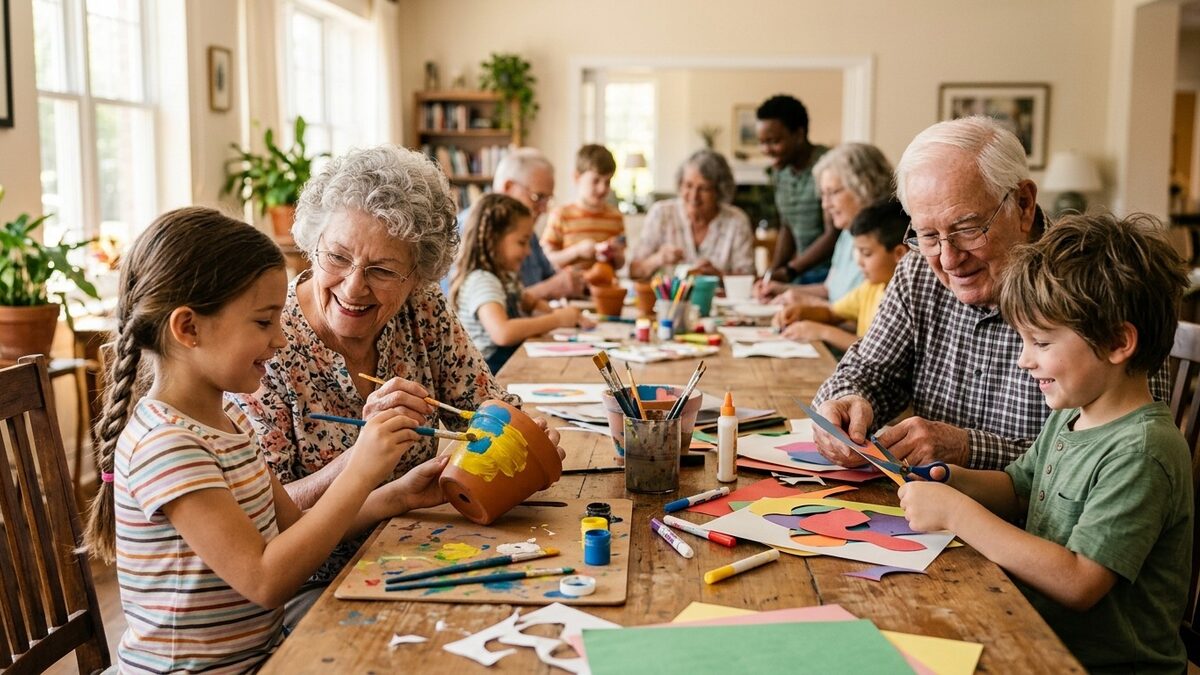
Few things light up a senior living community like a room full of children and residents laughing together. Intergenerational activities give older adults purpose and connection, and give young people patience, empathy and a few great stories. They also give families and staff something to smile about.
Below are 30 intergenerational activities for seniors and youth, organized by age group, plus a simple plan for building a program that lasts. For more ideas that bring groups together, see our guide to group activities for seniors.
Key takeaways
- In Generations United research, 92% of Americans said intergenerational activities can help reduce loneliness across all ages.
- Reported benefits for older adults include less social isolation, more purpose and self-worth, and cognitive and physical gains.
- Match activities to the children's age: play and stories for preschoolers, reading and crafts for school-age kids, tech help and interviews for teens.
- Programs last when they're regular, planned with the school, and prepared on both sides.
Why intergenerational programs work
People of all ages want this kind of connection. According to Generations United, 92% of Americans believe intergenerational activities can help reduce loneliness across all ages, and nearly 8 in 10 adults want to spend more time with people outside their age group (Generations United, 2021).
The same Generations United fact sheet, which summarizes published research, lists benefits for older adults that include decreased social isolation, improved quality of life and purpose in life, improved self-esteem, cognitive health improvements, and reduced falls and frailty. Children gain too, from better reading and empathy to reduced anxiety. Staff report more energy and a greater sense of purpose.
Activities with preschoolers (ages 3 to 5)
- Story time. Residents read picture books aloud, or the children "read" the pictures to them.
- Sing-alongs. Nursery rhymes and simple songs with hand motions.
- Bubble and balloon play. Easy, joyful, and great from a seated position.
- Finger painting or coloring. Side-by-side art with big sheets of paper.
- Parachute games. Residents stay seated and hold the edges while children run underneath.
- Show and tell. Children bring a toy; residents share an old photo.
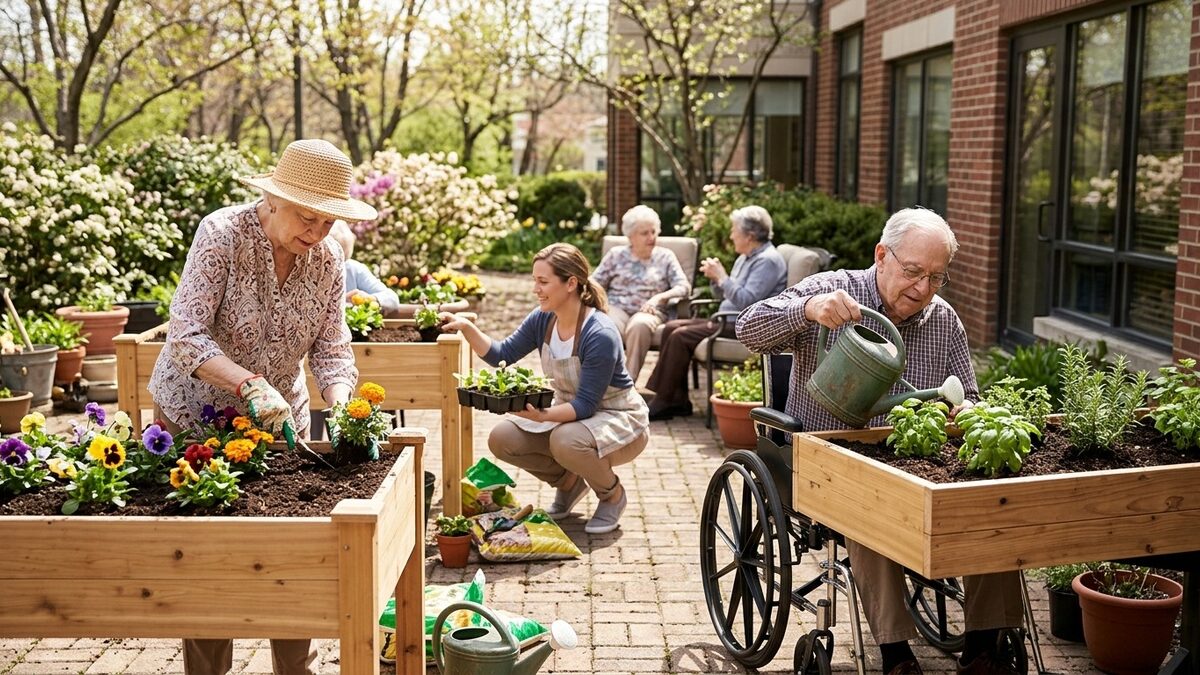
- Garden planting. Plant seeds in cups together and watch them grow over the following weeks.
- Seated dance party. Simple songs with scarves or shakers that everyone can move to.
Activities with school-age children (ages 6 to 12)
- Reading buddies. Children practice reading aloud to a patient, encouraging listener.
- Craft projects. Painted flower pots, bird feeders, cards. More ideas in our craft activities for seniors.
- Board and card games. Checkers, dominoes, Uno, and Go Fish work across ages. See games for seniors.
- Pen pals. Monthly letters between a class and residents, then a meet-up party.
- "When I was your age" interviews. Kids ask about school, toys and chores decades ago.
- Baking day. Decorating cookies or making no-bake treats together.
- Bingo afternoon. Kids help call the numbers and check cards. Our bingo for seniors guide has the details.
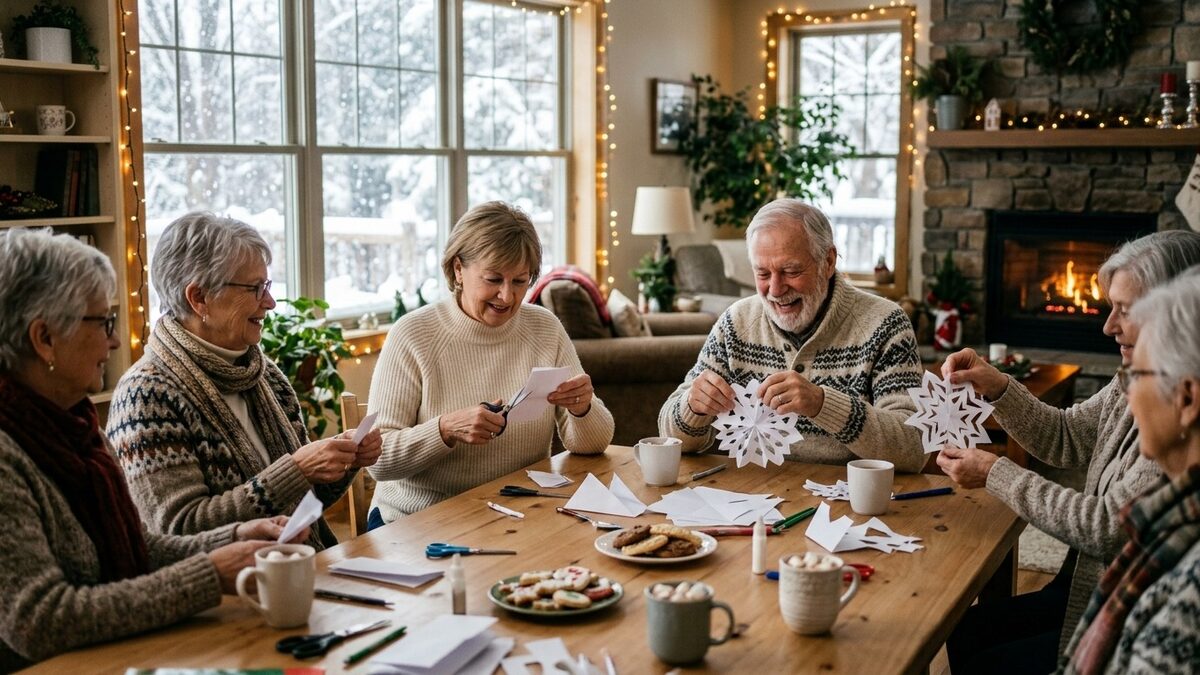
- Holiday celebrations. Costume parades, card-making, and seasonal crafts.
- Science demos. A retired teacher or engineer leads a simple experiment.
- Talent show. Kids perform; residents judge, cheer, or join in.
- Puzzle teams. Mixed-age teams race to finish a 100-piece jigsaw.
- Cards for others. Make get-well or holiday cards together for hospital patients or troops.
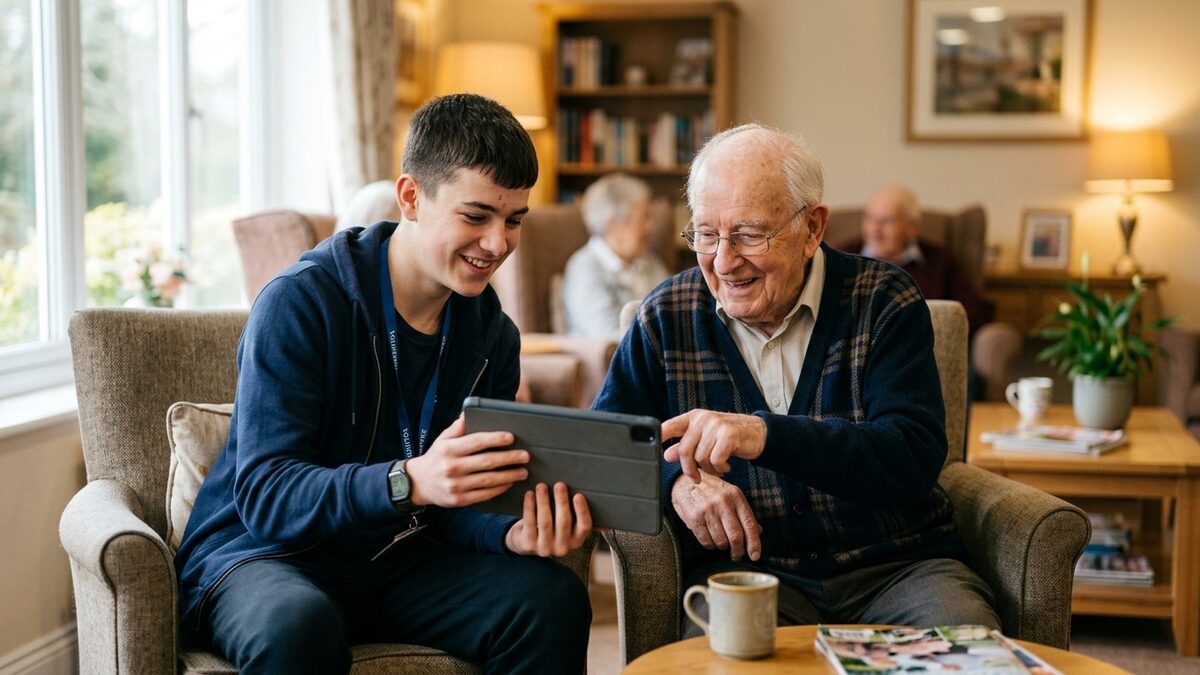
Activities with teens and young adults
- Tech help sessions. Teens help residents video-call family, take photos, or use a tablet.
- Oral history projects. Students record residents' life stories for a class project.
- Music jam. School bands or choirs perform, then play residents' requests.
- Game tournaments. Chess, card games, or video bowling with mixed teams.
- Cooking exchange. Residents teach a family recipe; teens share a favorite of their own.
- Gardening club. Teens handle the digging; residents bring the know-how.
- Mentoring and career talks. Residents share stories from their working lives.
- Art collaboration. A shared mural or quilt, with each pair making a square.
- Photo walk. Teens and residents photograph the garden or neighborhood, then pick favorites to print.
- Volunteer service hours. Teens help run activities, assist on outings with staff guidance, or serve at events.
Intergenerational ideas for nursing homes
In a nursing home, adapt activities for residents with limited mobility or memory changes. Bring the activity to them: small groups of two or three children per resident, short visits of 30 to 45 minutes, and quieter activities like reading, music and simple crafts. Residents who can't leave their rooms often love a short room visit with a song or a drawing. For memory care, keep it familiar and sensory. Our dementia activities for seniors guide has adaptation tips.
How to start an intergenerational program
- Find a partner. Start with nearby preschools, elementary schools, homeschool groups, scout troops, church youth groups or high school service clubs.
- Agree on goals and a schedule. A regular slot, like every other Thursday, builds relationships better than one-off visits.
- Handle the paperwork. Follow your community's visitor and volunteer policies, and agree on photo consent with both families and residents.
- Prepare both groups. Tell children what to expect: walkers, wheelchairs, hearing aids, and that some residents may forget names. Tell residents what the children will do.
- Plan structured activities. Unstructured visits can feel awkward. Have a clear activity, supplies ready, and name tags for everyone.
- Pair people thoughtfully. Keep the same pairs over several visits so friendships can grow.
- Celebrate and share. Photo boards, end-of-year parties, and notes home to families keep everyone engaged.
Keep visits safe and comfortable
- Schedule visits for residents' best time of day, often late morning.
- Keep groups small and the noise level manageable.
- Have staff present at all times, and never leave children alone with residents.
- Follow your community's infection-control rules, and reschedule if children are sick.
- Respect residents who'd rather watch than join in.
Plan your intergenerational calendar
A regular schedule is what makes intergenerational programs stick. With ActivityBuilder you can put school visits on your activity calendar as recurring events, print the calendar for residents and families, and run TV games like bingo and trivia that kids and residents can play together. Start a free trial and plan your first visit.
Frequently Asked Questions
What are intergenerational activities for seniors?+
Intergenerational activities bring older adults and younger people together for planned, shared experiences, such as reading buddies, crafts, games, music, gardening, pen pals, tech help, and oral history projects.
What are the benefits of intergenerational programs for older adults?+
Research summarized by Generations United reports less social isolation, improved quality of life and sense of purpose, higher self-esteem, cognitive health improvements, and reduced falls and frailty for older adults. 92% of Americans believe intergenerational activities can help reduce loneliness across all ages.
What intergenerational activities work in nursing homes?+
Short, small-group activities work best: reading together, sing-alongs, simple crafts, card and board games, bubble play with preschoolers, and brief room visits for residents who can’t join the group.
How do you start an intergenerational program at a senior living community?+
Partner with a local school or youth group, agree on a regular schedule, follow visitor and photo-consent policies, prepare both groups for what to expect, plan structured activities, keep the same pairs over time, and celebrate the program with families.
How often should intergenerational visits happen?+
A regular rhythm, such as every week or every other week, works far better than one-off visits because it lets real relationships form between residents and children.
Stop planning from scratch
ActivityBuilder gives you 580+ ready-to-use activities, 30+ in-browser games, and a drag-and-drop calendar builder — everything in this article, done for you.
Start your 7-day free trial →