Bingo for Seniors: How to Run Games Residents Love (+ 24 Themed Ideas & Prize Tips)
September 27, 2026 · 7 min read
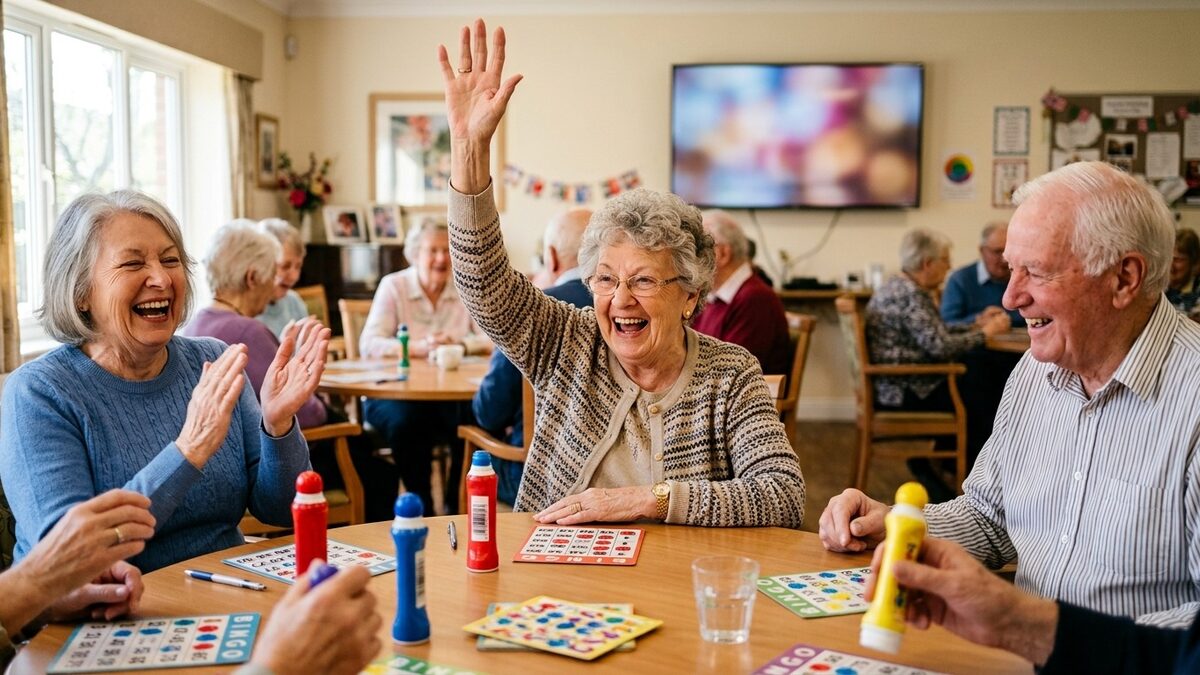
Bingo is the most reliable game on the activity calendar. It's familiar, it works for almost every ability level, and that moment when someone shouts "Bingo!" gets the whole room laughing. But there's a big difference between a game people drift through and one they line up for. The difference is in the calling, the pace, the prizes, and the small adaptations that keep everyone in the game.
This guide covers how to run bingo for seniors step by step, how to call it well, patterns and variations to keep it fresh, 24 themed bingo ideas, prize ideas on a small budget, and how to adapt the game for low vision, hearing loss, and memory care. Bingo is one of many options in our roundup of games for seniors.
Key takeaways
- A small University of Southampton study found bingo players were faster and more accurate than non-players on cognitive tests of speed and quick decision-making.
- Slow, clear calling (letter, number, then repeat) matters more than anything else for older players.
- Rotate patterns and themes so the same game never feels like a rerun.
- Large-print cards, picture bingo, and TV displays keep residents with vision, hearing, or memory changes in the game.
Why bingo works so well for seniors
Bingo is more than a way to pass an afternoon. In a small 2002 study at the University of Southampton, researchers including Julie Winstone gave 112 people (bingo players and non-players, aged 18 to 40 and 60 to 82) a battery of tests of "fluid abilities": speed, accuracy, decision-making, and quick responding. Bingo players, young and old, were faster and more accurate than non-players (HealthDay, 2002). The researchers suggested it comes from practice: bingo players are used to searching for numbers with plenty of distractions around them. It's one small study, but it fits what you see in the room: bingo takes real concentration.
Bingo can even be a vehicle for exercise. Bingocize, developed by Dr. Jason Crandall at Western Kentucky University, weaves low-intensity exercises and health education between bingo calls, and WKU offers it to nursing homes, assisted living, and senior centers (Western Kentucky University). Add in the social side (chatting between calls, cheering each winner) and it's easy to see why bingo has lasted so long.
How to run a bingo game for seniors, step by step
- Set up the room. Arrange tables so everyone can see the caller and the display board, and seat residents with hearing loss near the front.
- Hand out cards and markers. Offer large-print cards, and let residents choose chip markers or daubers. Chips are easier to correct; daubers are easier to grip.
- Explain the pattern. Show the winning pattern on a board or screen before each game, not just once at the start.
- Call slowly and clearly. Say the letter and number, pause, repeat it, and then post it on the board.
- Check winners out loud. Read the winning numbers back so everyone can follow along. It also avoids hurt feelings over mistakes.
- Celebrate and reset. Hand out the prize with some ceremony, then change the pattern for the next round.
- Keep sessions to 45 to 60 minutes. Five or six games is plenty. End while energy is still high.
How to call bingo for seniors
A good caller makes the game. A few habits make a big difference for older players:
- Pace yourself. Wait until most of the room has looked down and back up before you call the next number.
- Use a microphone in larger rooms, even if you think you're loud enough.
- Say numbers two ways for tricky ones: "B-12, that's one-two."
- Watch for help signals. Assign a volunteer or aide to roam and quietly help anyone who falls behind.
- Add personality. A fun fact about the number ("O-66, like Route 66!"), a classic British call like "Legs eleven," or a birthday shout-out makes it fun.
- Post every called number on a board or TV so nobody depends only on hearing.
Bingo patterns and variations to keep it fresh
Changing the winning pattern is the easiest way to make each game feel new:
| Pattern | How to win | Best for |
|---|---|---|
| Single line | Any row, column, or diagonal | Warm-up rounds and new players |
| Four corners | Mark all four corner squares | Quick games |
| Letter X | Both diagonals | Mid-session variety |
| Picture frame | All the outside squares | Longer games |
| Letter T or L | Top row plus middle column (T), or left column plus bottom row (L) | Experienced groups |
| Blackout | Every square on the card | The grand-prize final game |
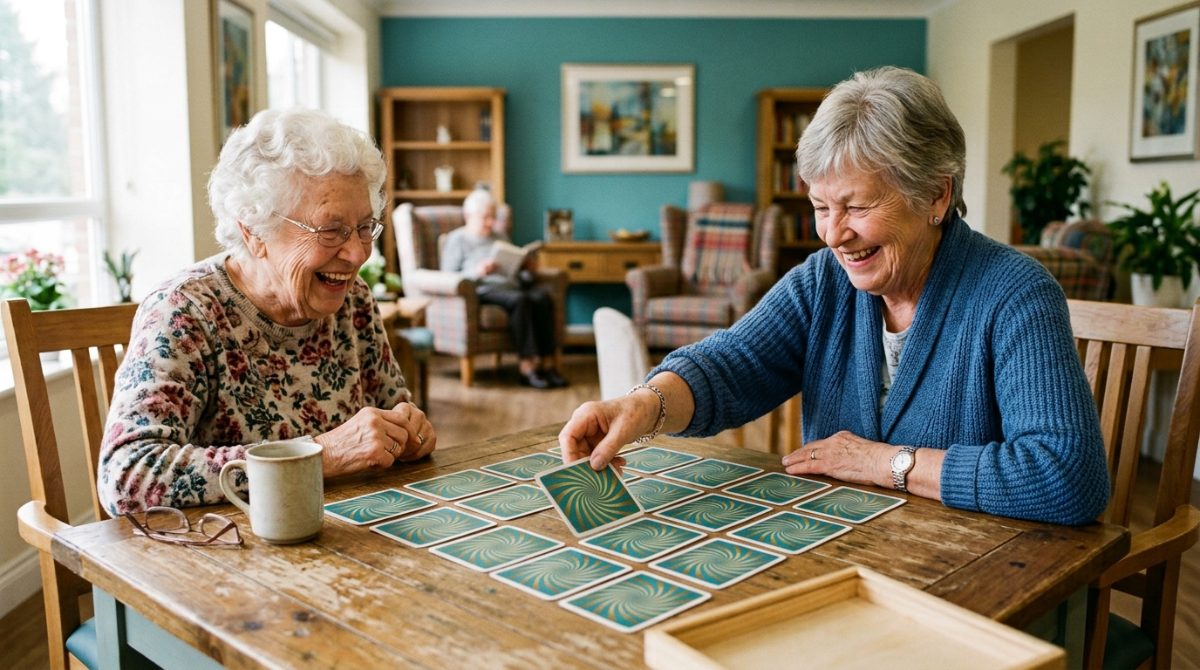
Beyond patterns, try variations like music bingo (play a song clip; residents mark the title), picture bingo (images instead of numbers), word bingo (read a definition; they mark the word), and exercise bingo (everyone does a gentle stretch between calls).
24 themed bingo ideas for the whole year
Themed bingo turns an ordinary game into an event. Swap the numbers for words or pictures that match the theme, decorate the room, and match the prizes:
- January: New Year's bingo, winter wonderland bingo
- February: Valentine's bingo, presidents bingo
- March: St. Patrick's Day bingo, spring flowers bingo
- April: Easter bingo, garden bingo
- May: Mother's Day bingo, Kentucky Derby hats bingo
- June: Father's Day bingo, beach day bingo
- July: Fourth of July bingo, ice cream social bingo
- August: county fair bingo, road trip bingo
- September: back-to-school bingo, apple harvest bingo
- October: Halloween bingo, fall leaves bingo (see our fall activities for seniors)
- November: Thanksgiving bingo, gratitude bingo
- December: Christmas bingo, holiday movies bingo (more in our Christmas activities for seniors)
Decade themes work year-round too: 1950s rock-and-roll bingo, classic TV bingo, or old-time radio bingo all double as reminiscence. For more theme-friendly games, see trivia for seniors.
Bingo prizes for seniors (on a small budget)
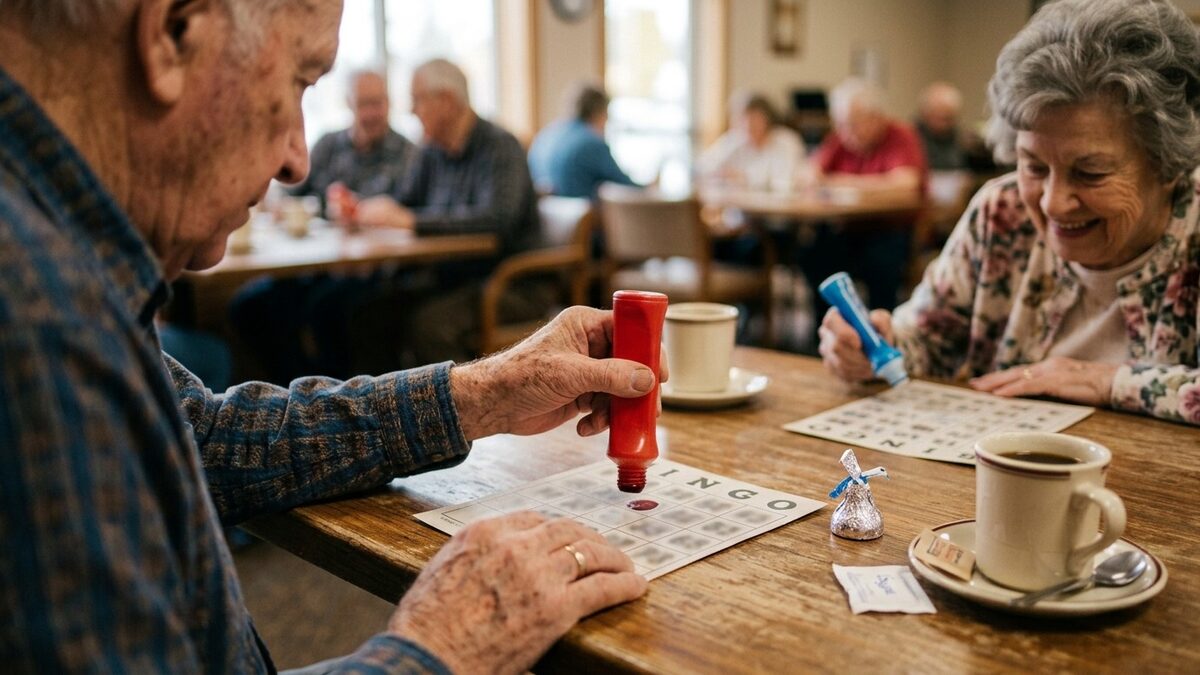
Prizes don't need to be expensive. They need to feel special. Crowd favorites include:
- Treats: wrapped candy, individual cookies, hot cocoa packets, snack-size chips
- Toiletries: hand lotion, lip balm, scented soaps, nice tissues
- Useful items: puzzle books, large-print word searches, greeting cards, socks with grips
- Experiences: first pick at movie night, a front-row seat at the next show, breakfast in bed
- Bingo bucks: play money residents save up for a monthly "store" of bigger items
Ask local businesses and family councils for donations, and keep a prize bin stocked so you're never scrambling. Skip cash prizes. Keeping bingo prize-based rather than money-based avoids gambling concerns and keeps it about fun.
Making bingo accessible for every resident
Low vision
Use large-print or jumbo cards with high-contrast colors, bright even lighting, and fewer squares if needed. A 3x3 card is far easier to scan than a 5x5. Showing called numbers on a big TV helps everyone.
Hearing loss
Seat residents near the caller, use a microphone, face the room when you call, and always post the number visually.
Limited hand strength or tremors
Offer chunky chip markers or wide-grip daubers, cards on non-slip mats, or cards with sliding windows that stay put. A table partner can mark for someone who needs help. Our activities for seniors with limited mobility guide has more ideas.
Memory care
For residents living with dementia, simplify: picture bingo with familiar objects, small cards, one pattern per session, and a staff partner at each table. Everyone can "win" at some point. It's the shared experience that matters. See our dementia activities for seniors for more adaptations.
Run bingo on the TV and on residents' phones
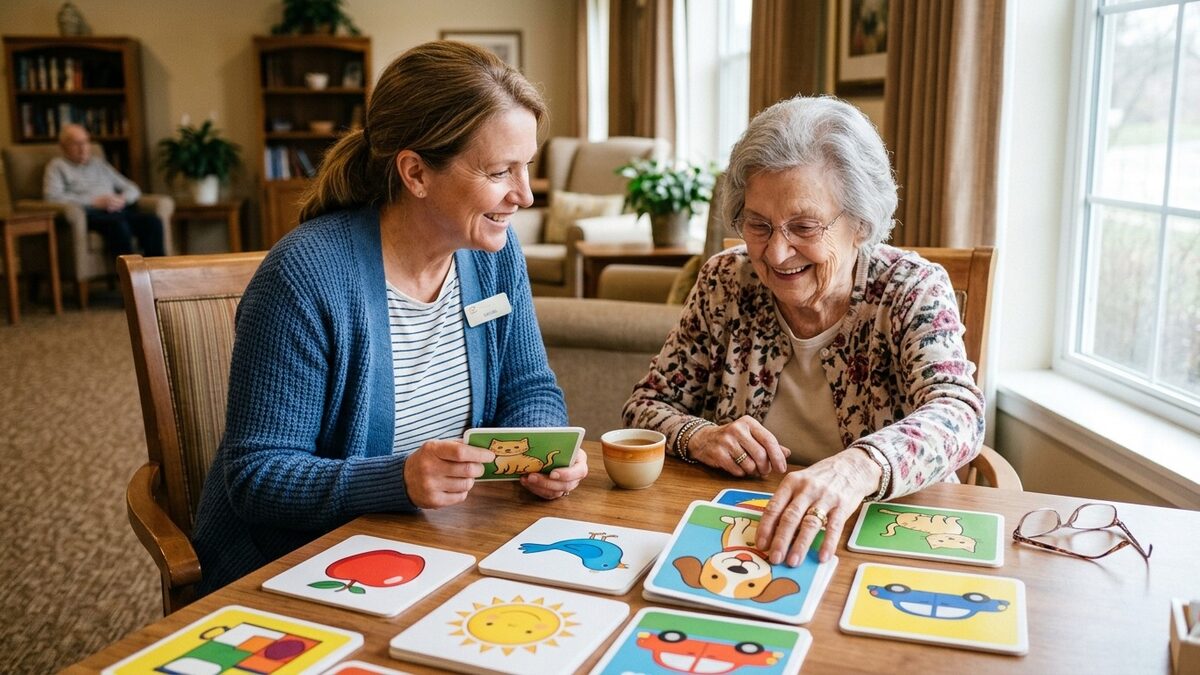
ActivityBuilder includes a built-in bingo caller that runs on your activity room TV. It shows every called number in big, clear type. Residents with a smartphone can scan a QR code to get a real bingo card on their phone that marks itself as you call (this works for classic number bingo). Residents without a phone play on paper cards and follow the TV. Want a themed game? Type a theme like "Fourth of July" or "classic movies" and ActivityBuilder builds a themed word-bingo set for you. Bingo is one of 30+ games you can run on the TV, from card matching to crosswords (see our memory games for seniors for more), all planned from the same activity calendar. Start a free trial and run your next bingo game from the TV.
Frequently Asked Questions
Is bingo good for seniors?+
Yes. A small University of Southampton study found bingo players were faster and more accurate than non-players on cognitive tests of speed and quick decision-making. Bingo also brings people together socially, and programs like Bingocize combine it with gentle exercise.
How do you call bingo for seniors?+
Call slowly and clearly: say the letter and number, pause, repeat it, and post it on a board or TV. Use a microphone in larger rooms, wait for players to look back up before the next call, and have a volunteer help anyone who falls behind.
What are good bingo prizes for seniors?+
Wrapped treats, cocoa packets, hand lotion, lip balm, puzzle books, grip socks, greeting cards, and experience prizes like first pick at movie night all work well. Many communities use “bingo bucks” that residents save for a monthly prize store. Avoid cash prizes.
How do you make bingo easier for seniors with low vision?+
Use large-print, high-contrast cards, smaller card grids such as 3x3, bright lighting, and a large TV or board that shows each called number. Seat residents with low vision near the display.
How do you play bingo with dementia patients?+
Use picture bingo with familiar objects, small cards, one simple pattern, and a staff or volunteer partner at each table. Keep the pace relaxed and focus on the shared experience rather than winning.
Stop planning from scratch
ActivityBuilder gives you 580+ ready-to-use activities, 30+ in-browser games, and a drag-and-drop calendar builder — everything in this article, done for you.
Start your 7-day free trial →